

SciELO
Latin America, Caribbean, Iberia, South Africa
Open-access regional index covering peer-reviewed journals across 16 countries. Strong coverage of Brazilian and Argentine work on Sydenham's chorea and post-streptococcal disease.
Compass for PANS/PANDAS is a curated home for families and clinicians navigating Pediatric Acute-onset Neuropsychiatric Syndrome. We aim to bring together the organizations, research, and community resources to shorten the time to diagnosis.
Beta — for informational purposes only. Not a substitute for professional medical advice.

If you're here because something about your child changed, suddenly, and in a way that doesn't quite fit, this list is for you.
Charting a Path.
No child will have every symptom below. PANS/PANDAS typically arrives as a sudden cluster — a handful of these appearing together over days, not the whole list. Parents are almost always the first to notice. Trust what you are seeing. The language here is meant to help you describe it to someone else.
This reference is for orientation, not diagnosis. If you recognise a sudden cluster of these changes in your child, bring this list to a clinician who understands post-infectious neuropsychiatric conditions.
A gentle, practical guide for raising PANS/PANDAS with a doctor who may be unfamiliar with it.
Getting Oriented.
Thousands of families have had this exact conversation. Many were dismissed the first time. The five steps below are what they wish they had known going in: how to be prepared and calm, so the appointment moves your child forward instead of leaving you stuck.
Write down exactly when symptoms appeared, how sudden the onset was, what changed from your child's baseline, and whether you noticed any illness, infection, or fever in the weeks before. Date everything — even rough dates help.
What to log
Date symptoms first appeared
Even an approximate week is useful.
How quickly they came on
Hours? Overnight? Over a few days?
Specific symptoms observed
Use the symptom reference above for language.
Any recent illness, strep exposure, or infection
Including in siblings or classmates.
Any previous episodes and what triggered them
Impact on school, sleep, eating, and daily life
This guide supports your conversation — it does not replace clinical advice. You and your doctor are on the same team, working toward the same thing: your child, well again.
Four trusted directories from leading advocacy organizations to help you connect with experienced clinicians.
Vetted advocacy groups, clinics, and government resources.
Canadian-led alliance raising awareness of neuroinflammatory conditions in children, including PANS/PANDAS.
VisitThe leading US PANDAS/PANS nonprofit — research funding, provider lists, and family programs.
VisitFunds research and education on pediatric neuroimmune disorders including PANS/PANDAS.
VisitCollaborative research initiative studying inflammation-driven neuropsychiatric illness.
VisitNational Institute of Mental Health overview of PANDAS diagnosis, treatment, and research.
VisitSpecialty multidisciplinary clinic and clinician-education program for PANS/PANDAS.
VisitInternational OCD Foundation's dedicated PANDAS/PANS information and provider directory.
VisitGrassroots advocacy network pushing for insurance coverage and recognition.
VisitAlliance to Solve PANS & Immune-Related Encephalopathies — research, awareness, family resources.
VisitThe UK's leading charity for PANS and PANDAS — family support, clinician training, and national awareness campaigns.
VisitLong-running UK OCD charity with dedicated guidance on PANDAS/PANS for families and professionals.
VisitProfessional body for UK paediatric neurologists — useful for locating specialists familiar with neuroinflammatory conditions.
VisitNational parent-led advocacy and support group offering education, family resources, and clinician outreach across Australia.
VisitCross-Tasman parent network supporting research, advocacy, and family Facebook communities for PANS/PANDAS families in NZ and AU.
VisitItalian volunteer association founded by parents — clinician network, school program, and family support across Italy.
VisitSwedish federation for PANS, PANDAS, and autoimmune encephalitis — research advocacy, family support line, and clinician education.
VisitDirect, unfiltered queries against the NCBI PubMed and Europe PMC APIs. Updated every time you open a tab.
(PANS OR PANDAS) AND (pediatric acute-onset neuropsychiatric syndrome)Curated books for parents, educators, clinicians, and kids navigating PANS, PANDAS, and pediatric neuroimmune disorders.
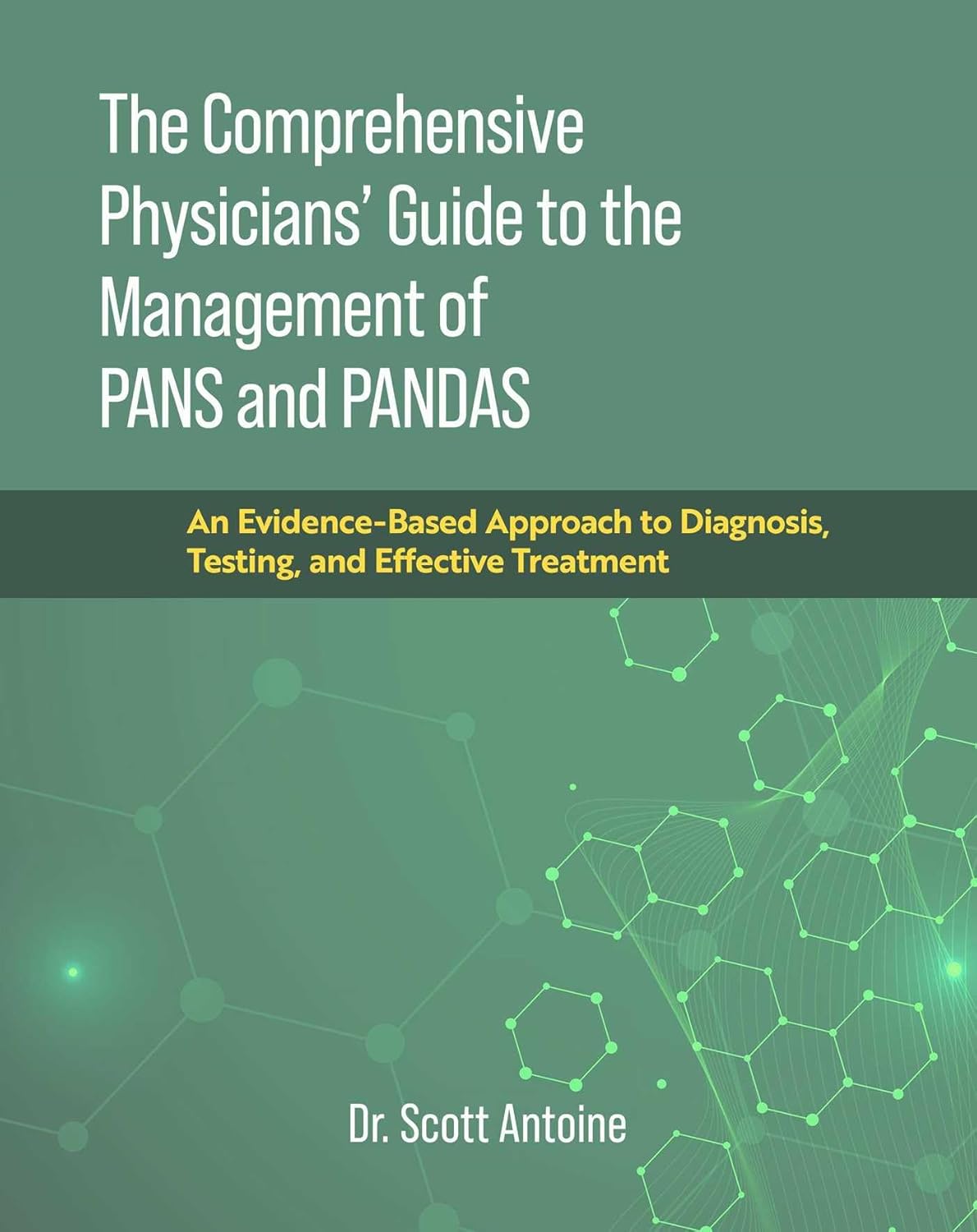
An evidence-based clinical guide covering diagnosis, testing, and effective treatment approaches for physicians and other medical professionals managing PANS and PANDAS patients.
For: Physicians, clinicians, advanced practitioners
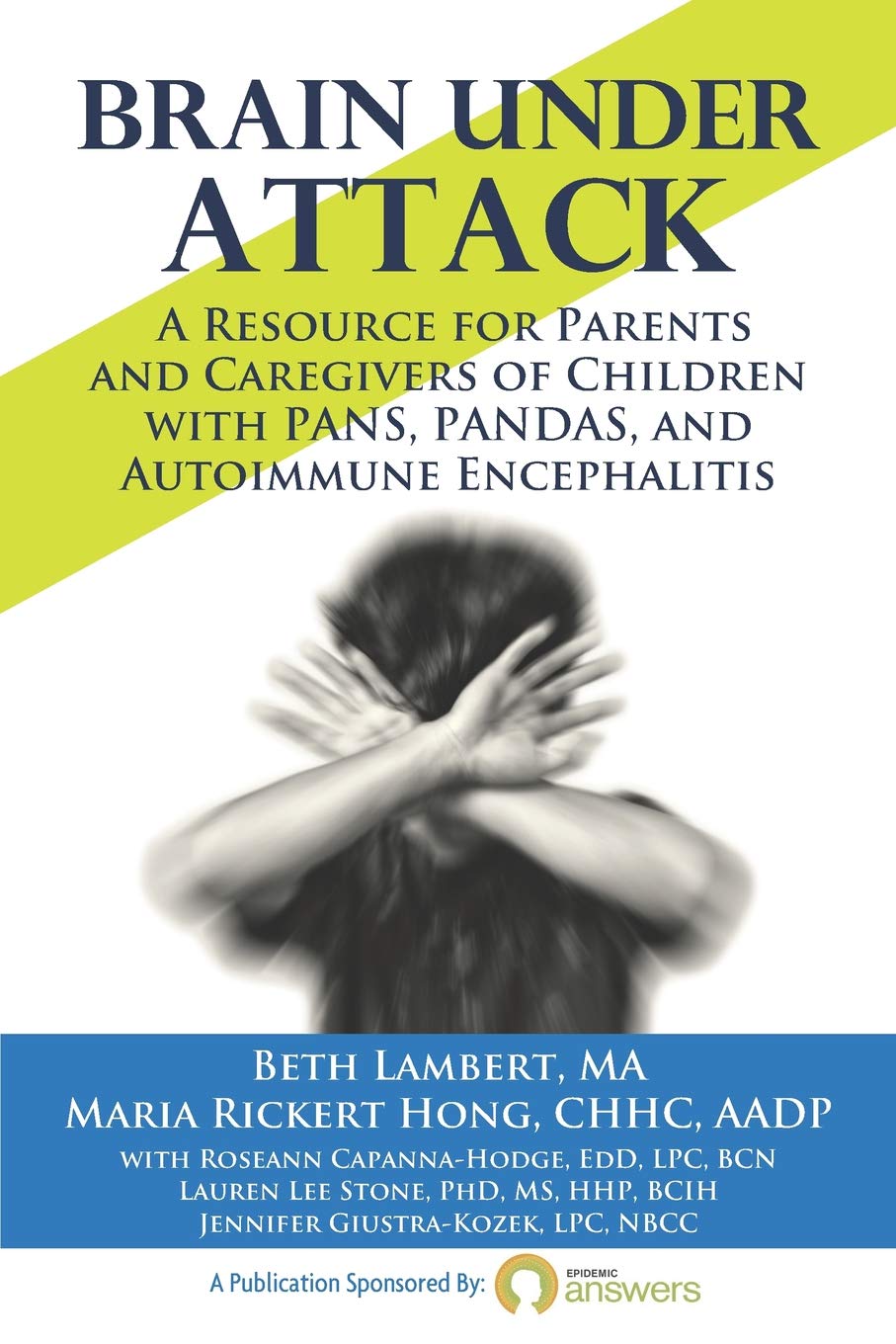
A parent and caregiver resource that explains what PANS, PANDAS, and autoimmune encephalitis are, why diagnoses are rising, and what families can do to pursue root-cause treatment.
For: Parents, caregivers, educators
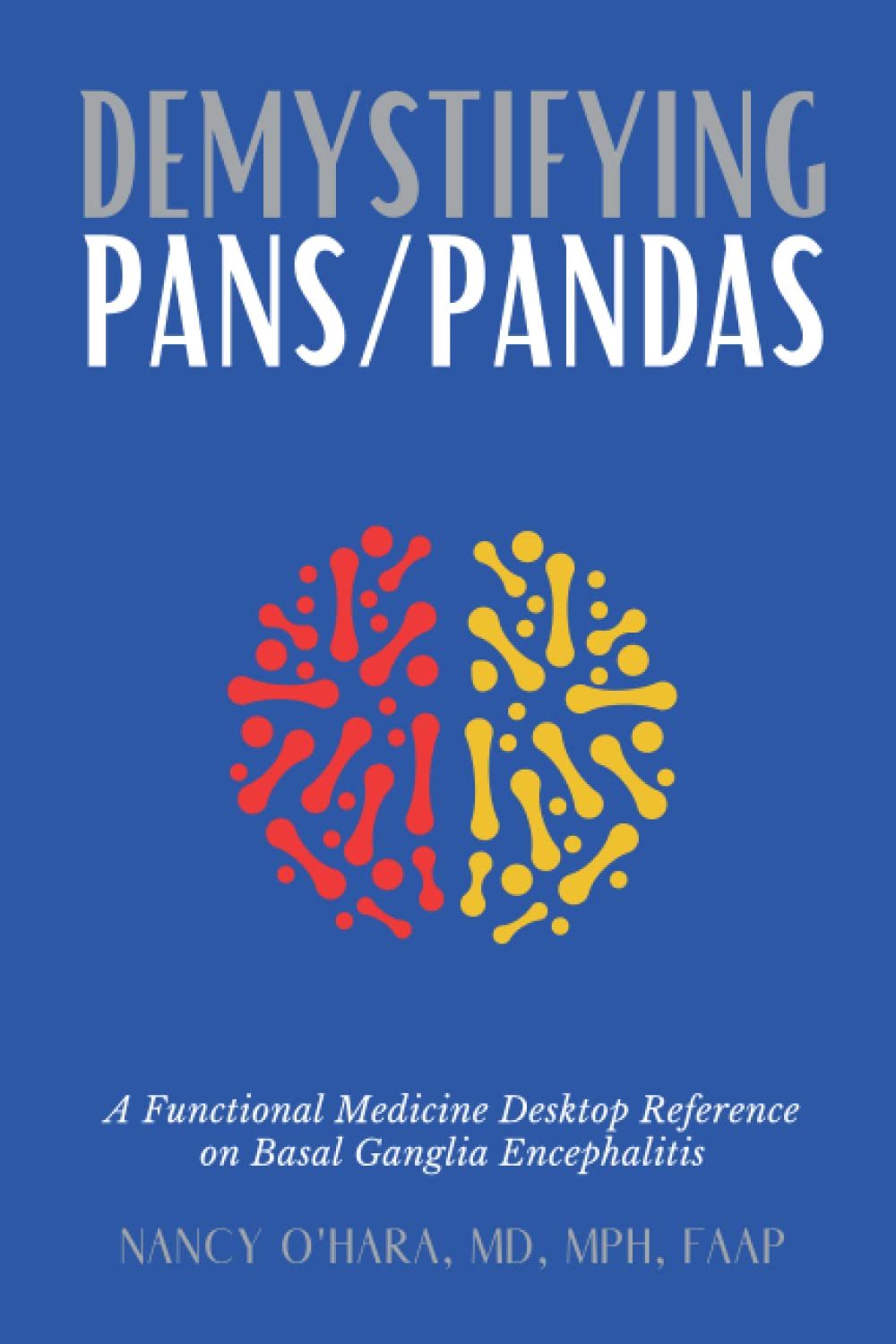
A functional medicine desktop reference on basal ganglia encephalitis written for clinicians, but accessible enough for parents who want to understand the medical framework behind PANS and PANDAS.
For: Clinicians, parents, advocates
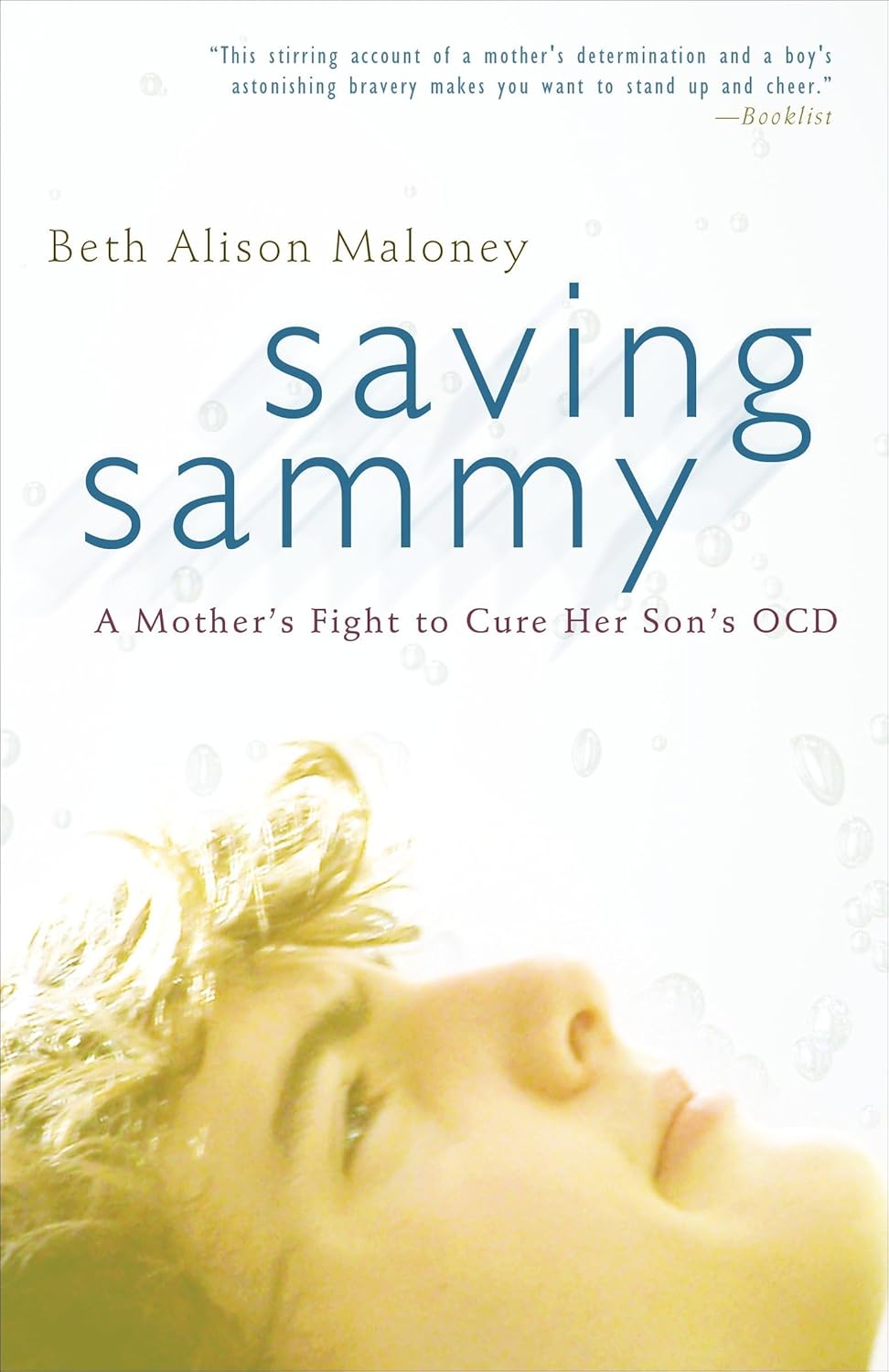
The book that introduced many families to PANDAS. Maloney tells the story of her son’s sudden onset of OCD and tics, and the fight to get a proper diagnosis and treatment.
For: Parents, caregivers, clinicians
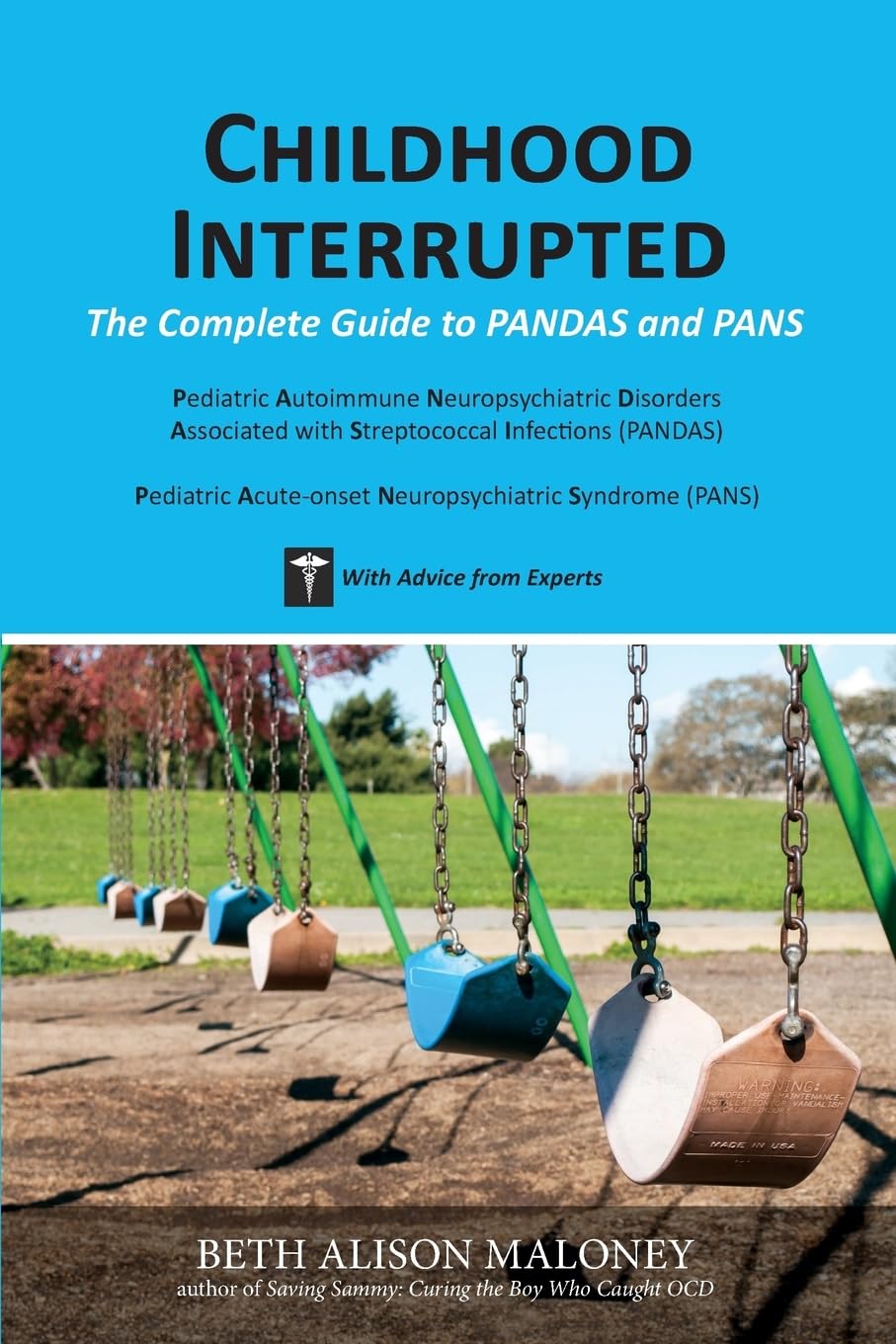
A comprehensive guide to PANDAS and PANS: what to look for, how to talk to doctors, treatment basics, and school advocacy from the author of Saving Sammy.
For: Parents, educators, clinicians
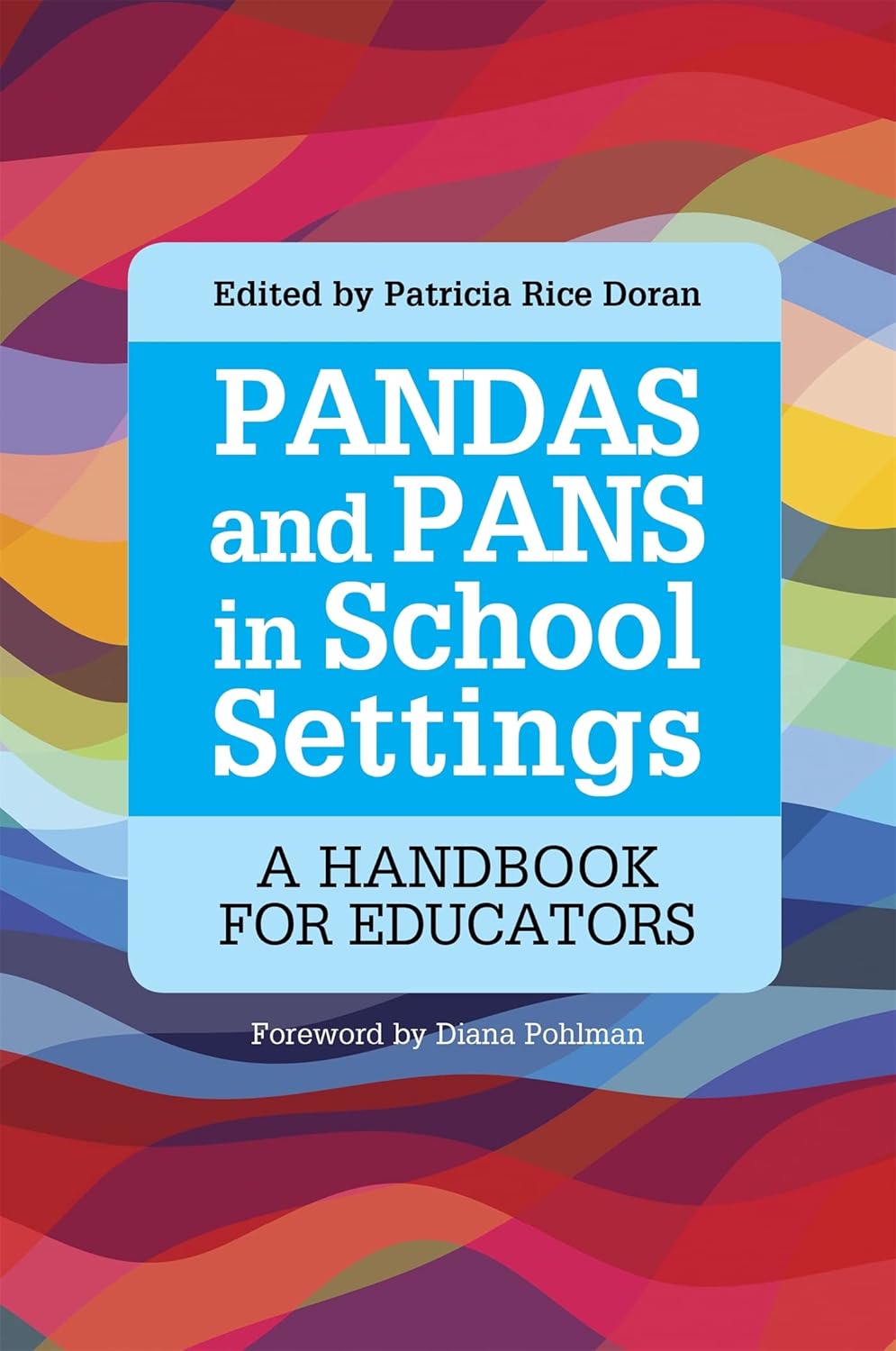
A practical handbook for teachers, counselors, and school staff on supporting students with PANDAS and PANS through 504 plans, IEPs, and classroom accommodations.
For: Educators, school staff, parents
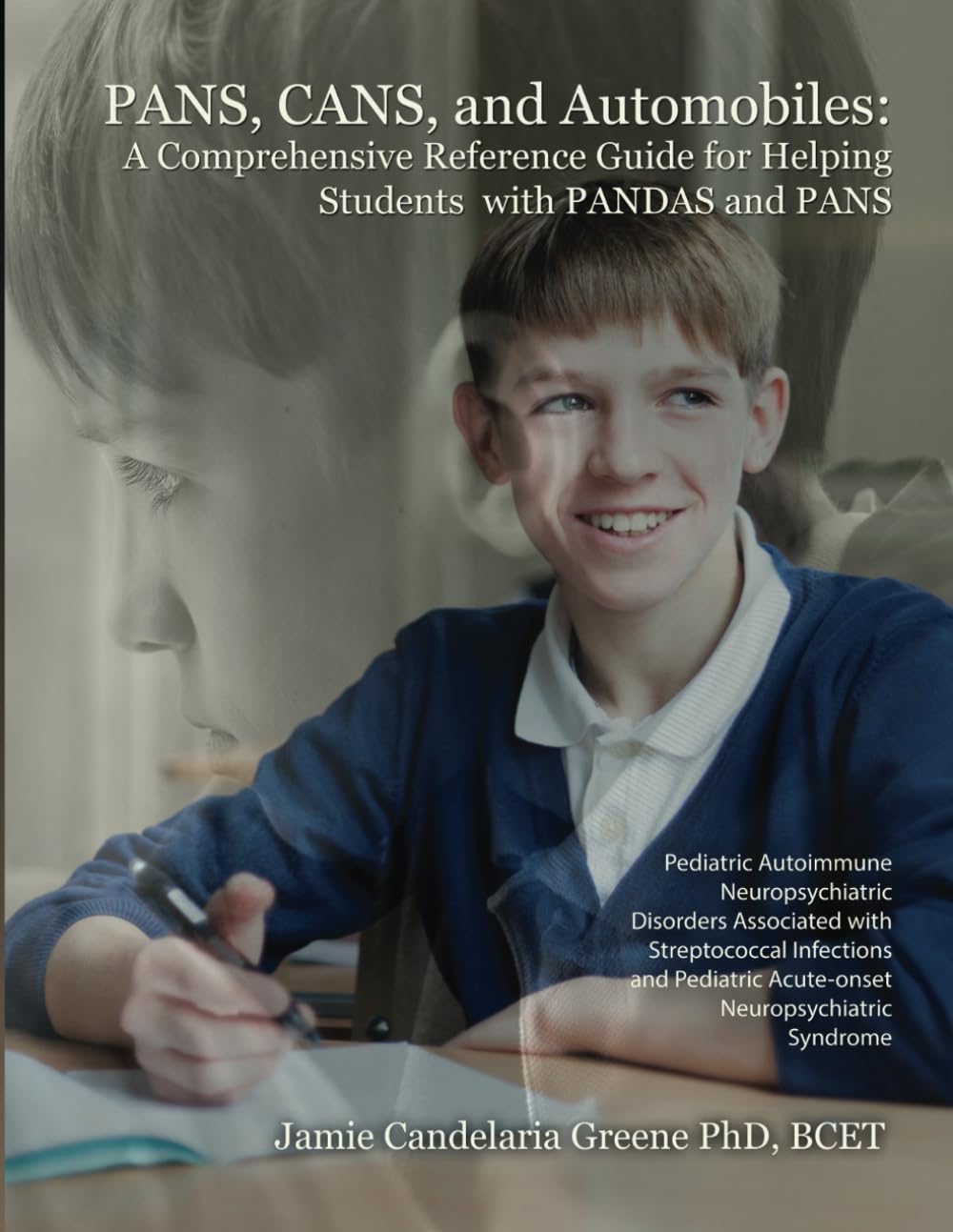
A parent-friendly guide that walks families through the PANS/PANDAS journey, from symptoms and diagnosis to treatment and navigating everyday life.
For: Parents, caregivers
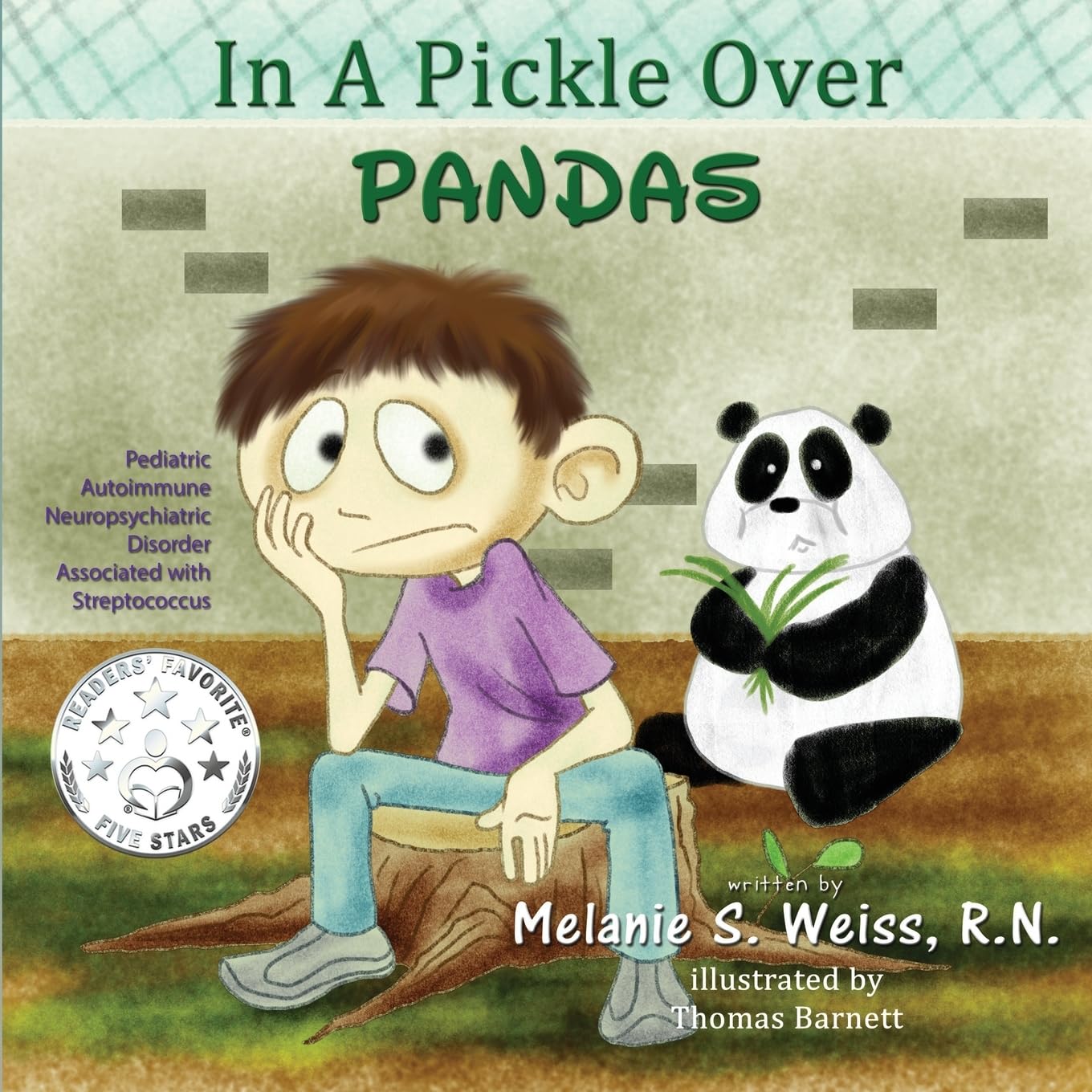
A warm, age-appropriate children’s book that explains PANDAS to kids, helping them feel understood and less alone in their symptoms and treatment.
For: Children, families
As an Amazon Associate, PANS Pandas Canada earns from qualifying purchases. Prices and availability are subject to change.
PubMed under-indexes work published in Portuguese, Spanish, Arabic, and French — exactly the languages of regions with the highest rheumatic-fever and post-streptococcal disease burden. These indexes deep-link straight to pre-built searches.
Latin America, Caribbean, Iberia, South Africa
Open-access regional index covering peer-reviewed journals across 16 countries. Strong coverage of Brazilian and Argentine work on Sydenham's chorea and post-streptococcal disease.
Latin America & Caribbean (PAHO/WHO)
Virtual Health Library hosted by BIREME/PAHO. LILACS is the most comprehensive index of Latin American & Caribbean health literature — much of which never reaches PubMed.
WHO Eastern Mediterranean Region (22 countries)
Index Medicus for the Eastern Mediterranean Region, maintained by WHO EMRO. Surfaces clinical research from countries with high rheumatic fever burden that is rarely indexed in PubMed.
Africa (Africa Journals Online)
The world's largest collection of African-published peer-reviewed scholarly journals. Critical for rheumatic fever and post-streptococcal research from sub-Saharan Africa.
Note: these databases don't publish a public JSON API, so results open in a new tab on the source site rather than rendering inline. Article counts and rankings reflect each database's own indexing.
Active and upcoming clinical studies for PANS/PANDAS, Sydenham's chorea, and post-streptococcal neuropsychiatric disease. Queried live from the ClinicalTrials.gov v2 API.
"PANDAS" OR "PANS" OR "Pediatric Autoimmune Neuropsychiatric Disorders Associated with Streptococcal Infections" OR "Pediatric Acute-onset Neuropsychiatric Syndrome"Academic and clinical programs, biobanks, and global registries advancing PANS/PANDAS and post-streptococcal research across six continents.
Journalism, documentaries, podcasts, and family essays that help the rest of the world understand what you've been living.
Jamie Ducharme on the families and clinicians working to get PANDAS recognized as a real, treatable condition.
A long-form look at why pediatric acute-onset neuropsychiatric syndromes are so often missed — and the science catching up.
A West Quebec family's fight for diagnosis and treatment — one of CBC's earliest PANDAS features.
Marnie and Richard Deschenes share their son's three-and-a-half year journey to a PANDAS diagnosis.
Why mainstream pediatrics has been slow to adopt PANS/PANDAS protocols, and what is changing.
A growing archive of family stories, treatment journeys, and recoveries shared by parents.
Tim Sorel's feature documentary following six families navigating PANDAS diagnosis and treatment.
A parent's account of the long road to diagnosis, from The Mighty's PANS/PANDAS community hub.
Plain-language reporting on the immune mechanisms linking strep infection to sudden-onset neuropsychiatric symptoms.
A Vermont family's fight for treatment access — and what insurance coverage looks like for PANS/PANDAS care.
Clinician-written commentaries translating new research into language families and pediatricians can use.
Updates on Stanford's pioneering PANS research, clinical care innovations, and program announcements from the world's first multidisciplinary PANS clinic.
News, advocacy wins, and lived-experience stories curated by the Alliance to Solve PANS & Immune-Related Encephalopathies.
Inclusion is not endorsement. Some pieces are first-person and may contain treatment choices that differ from your clinician's guidance.
The people who get it, and the tools that let you walk into the next appointment ready.
Canadian charitable organization hosting Hope Companions peer support groups and connection opportunities for PANS/PANDAS families.
OpenFamily SupportDirectory of U.S. and international peer support groups, regional meet-ups, and family navigation.
OpenPeer ForumAnonymous, around-the-clock peer support from families and adults living with PANS/PANDAS.
OpenClinicianClinician-facing network with diagnostic guides, commentaries, and the latest medical guidelines for PANDAS/PANS.
OpenToolkitPrintable starter guide from PANDAS Network for families and practitioners new to the diagnosis.
OpenSchoolASPIRE's twenty-page educator toolkit on accommodations, IEP/504 language, and re-entry after a flare.
OpenCurated calendars and on-demand libraries from ASPIRE, Neuroimmune Foundation, PANDAS Network, IBA, and more.
A starting menu of accommodations, an educator-facing explainer, and curated toolkits from ASPIRE, PANDAS Network, and Neuroimmune Foundation.
Plain-language definitions of the clinical, immunological, and research terms used across this site and in the wider PANS/PANDAS literature.
Made with ♥ by a Canadian PANS/PANDAS family
This site is built and maintained by parents who have lived this journey. If it helped you find your bearings, a small contribution keeps it online.